

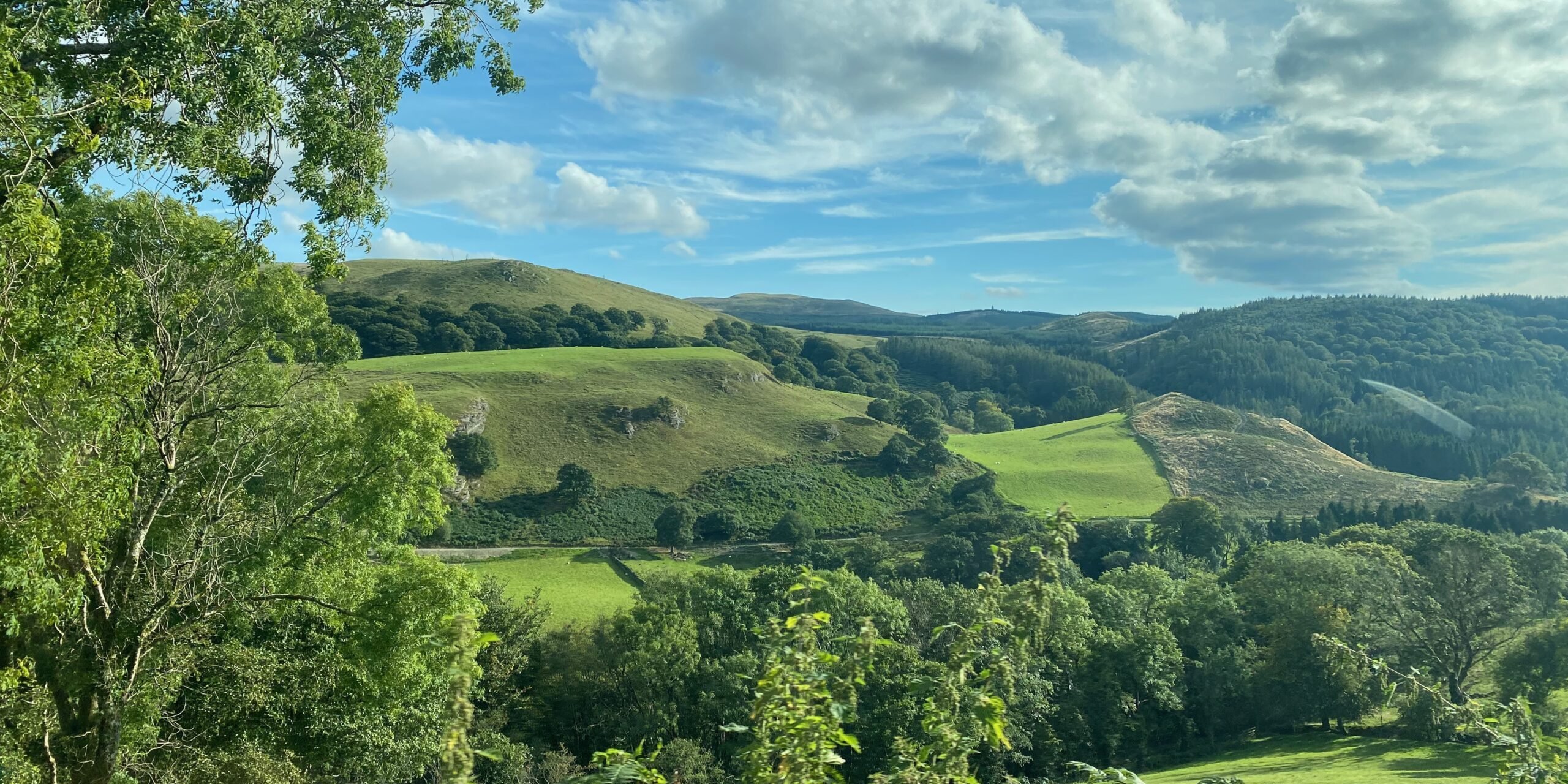
The Celtic Rainforest: An Ancient and Unique Ecosystem
The Evolution of the Celtic Rainforest
The Celtic rainforest has been gradually evolving since the end of the Ice Age around 20,000 years ago, shaped by the formation and melting of glaciers.
Geographic Distribution and Climate
While these forests are found across the Lake District and the western coast of Europe, their primary strongholds are in Scotland and Wales.
Ceredigion, located in one of Wales’s wettest and mildest regions, offers perfect conditions for a Celtic rainforest—an extremely rare habitat also known as Atlantic or temperate forests. In Wales, the Celtic rainforest receives at least 200 days of rainfall annually, with mild winters and cooler summers, creating a stable climate ideal for diverse plant and animal life.
Environmental Conditions and Ecosystem
Some regions are influenced by the sea (Coed Y Ddraig cottage is 17miles away from the coast, so it will be influenced by the maritime zone), enjoy high humidity, steady rainfall, and mild temperatures that remain consistent throughout the year, nurturing moisture-loving plants and lichens. Many lichens and epiphytes depend on the pure air found here, as pollution can harm them. The mild temperatures on the forest floor slow the decomposition of fallen plant matter, enriching the soil with carbon and fostering a vibrant ecosystem.
Ancient Woodlands and Vegetation
The Teifi and Ystwyth valleys conceal ancient Atlantic woodlands that predate many of the nearby towns. Mosses grow so densely that tree branches resemble giant green sponges, illustrating the lushness of this environment.
Flora of the Temperate Rainforests
They host a diverse array of trees, including sessile oak, birch, rowan, holly, alder, ash, crab apple, hawthorn, blackthorn, willow, and hazel. The forests often feature open glades and meandering rivers carving through rocky gorges. A standout feature of these ecosystems is the dense layer of epiphytes—ferns, mosses, liverworts, and lichens—that thrive on trees, rocks, and soil surfaces, creating a vibrant biological tapestry.
Underground Networks and Biodiversity
Underground, mycorrhizal fungi form networks that connect trees and plants, facilitating nutrient exchange, improving tree health, and boosting biodiversity. This underground communication is so vital that some scientists call it the “Wood Wide Web.”
Lichens and Mosses: Indicators of Purity and Water Reservoirs
Lichens like tree lungwort only thrive in the pristine Welsh air, which is so clean that their delicate structures can’t survive pollution. Mosses are water reservoirs—each holding twenty times their weight in water—helping to maintain humidity and support countless microhabitats. Some Welsh hillsides support over 200 moss and liverwort species, highlighting the incredible diversity of these tiny plants.
Fauna of the Celtic Rainforest
The Celtic rainforest is home to a fascinating variety of creatures. Rare beetles, dragonflies, damselflies, and around 200 species of moth flutter through the understory. The dipper bird, which loves fast-flowing streams, feeds on abundant insects and is often seen bobbing along riverbanks. Other bird residents include the wren, a tiny bird that nests in dense vegetation; the woodpecker, often found tapping on ancient oak trunks; and the redstart, which prefers the open woodland.
Coed Y Ddraig is located in Teifi Valley, shrouded by 9 acres of ancient woodland teeming with life in the heart of Ceredigion. You are steps away from mossy trails and wildlife your kids will talk about for weeks. Holiday let with a difference.
